The Importance of Secure Number Plate Registration for UK Drivers
Number plate cloning is a problem that has grown quietly in the UK, leaving drivers caught in a nightmare of fines, penalty points, and accusations of crimes they did not commit. The concept of secure number plate registration is central to protecting yourself from this kind of identity theft, and it goes far beyond the simple act of ordering a set of plates from a registered supplier. Understanding how the system works, where the vulnerabilities lie, and what steps you can take to safeguard your vehicle's identity is essential for every motorist.
When you buy or sell a car, the most obvious step is to ensure the registration document is correct. But the paperwork is only one part of the process. The physical number plates themselves are the public face of your vehicle's identity, and they are surprisingly easy to replicate. This is why the idea of secure number plate registration Protect-A-Plate has gained traction: it adds a layer of verification that goes beyond what the standard Driver and Vehicle Licensing Agency (DVLA) checks provide.
How Number Plate Cloning Actually Happens
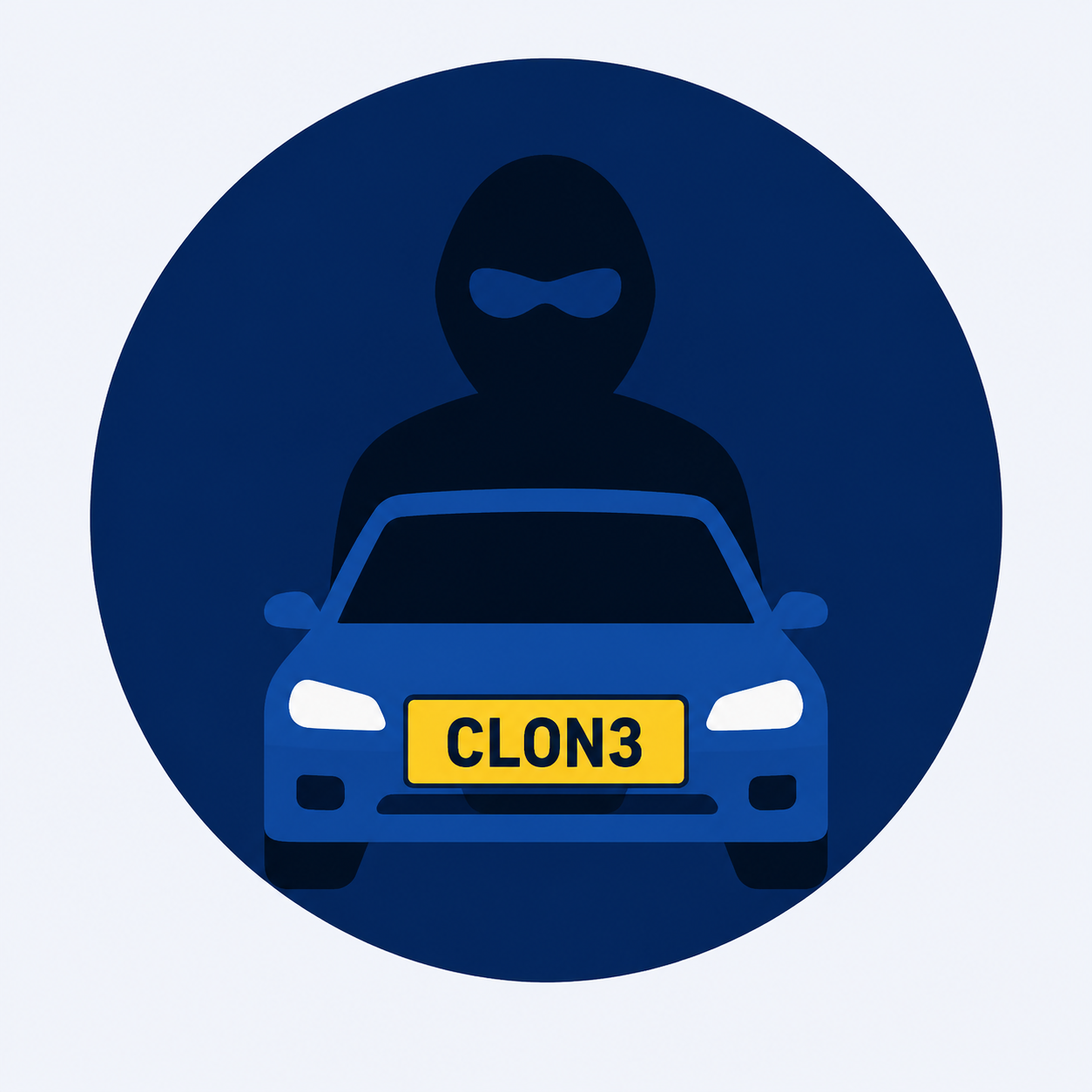
Cloning is not a complicated operation. A criminal spots a vehicle of the same make, model, and colour as one they intend to use for illegal activity. They note the registration number, obtain a set of replica plates from an unscrupulous supplier or simply print their own, and attach them to their own car. From that point, any speeding fines, congestion charge violations, or even more serious offences are recorded against the innocent owner's registration.
The victim often only discovers the problem when a notice of penalty arrives in the post. By then, proving that you were nowhere near the location can be difficult. The burden of evidence shifts to you, and the process of convincing the authorities that your plates were cloned can take months. This is where the value of a robust verification system becomes clear. Secure number plate registration Protect-A-Plate provides a mechanism that makes it harder for cloned plates to go unnoticed, by linking the physical plate to the vehicle's identity in a more tamper-proof way.
What Makes Registration Truly Secure
Secure registration is not just about the initial purchase. It involves ongoing monitoring and the ability to detect when something is wrong. The typical DVLA database check only tells you who a vehicle is registered to at a point in time. It does not flag unusual activity, such as the same registration being used on two different vehicles in different parts of the country on the same day. That kind of pattern recognition requires a network that can cross-reference data in real time.
Systems that offer secure number plate registration Protect-A-Plate work by creating a digital fingerprint for your vehicle's identity. This can include details like the exact font and spacing on your plates, the vehicle identification number (VIN), and the date of first registration. Any discrepancy between this stored profile and what appears on a traffic camera or during a police stop triggers an alert. The key is that the system does not wait for you to notice a problem; it actively watches for anomalies.
What to Look For in a Registration Scheme
If you are considering signing up for a registration protection service, there are a few practical features worth checking. First, does the service offer real-time alerts? A system that only sends a monthly report is far less useful than one that notifies you within hours of a potential match. Second, is the database used by law enforcement or traffic agencies? If the police can check the validity of your plates during a stop, that adds a powerful deterrent. Third, what happens when you sell your vehicle? The protection should be transferable or at least cancellable without hassle.
- Look for a service that integrates with the national vehicle registration database.
- Check whether the system allows you to update your contact details easily.
- See if the service provides a certificate or registration document you can keep in the car.
These details might seem minor, but they can make the difference between a quick resolution and a lengthy dispute. A good registration scheme should also cover the full lifecycle of your vehicle ownership, not just the moment you buy the plates.
Common Misconceptions About Plate Security
Many drivers believe that if their plates are cloned, the police will automatically spot it. In reality, the police rely heavily on automatic number plate recognition (ANPR) cameras, which only read the characters on the plate. They do not check whether those characters are being used by another vehicle unless the data is cross-referenced against a secure database. Without that extra step, a cloned plate looks exactly like the real one to the camera.

Another misconception is that having a registered keeper's certificate (the old logbook) is enough proof of ownership. The certificate only says who the DVLA believes is responsible for the vehicle. It does not prove that the plates on the car are authentic. Secure number plate registration Protect-A-Plate closes that gap by linking the physical plate to a verified owner through a separate, secure channel.
Practical Steps to Reduce Your Risk
While a dedicated registration service is the strongest protection, there are also simple habits that can help. Never leave your car's registration document in the vehicle. If a thief steals both the car and the document, they have everything they need to create a convincing clone. When selling a car privately, always retain the plates until the new keeper has registered the vehicle in their own name. This prevents the plates from being used on another car before the transfer is complete.
It is also worth checking your own registration details periodically. The DVLA provides a free vehicle enquiry service online. Enter your registration number and make sure the make, model, and colour match what you own. If you ever receive a penalty notice for something you did not do, act immediately. Do not assume it will sort itself out. Contact the issuing authority and explain that you believe your plates have been cloned. The sooner you report it, the easier it is to trace the timeline.
What to Do If You Suspect Cloning
- Keep a record of your journeys, including dates and times, so you can provide an alibi if needed.
- Report the suspicion to the police on 101 and get a crime reference number.
- Contact the DVLA to flag your registration as potentially compromised.
- Inform any relevant enforcement agencies, such as the local council if you receive parking fines.
Each of these steps creates a paper trail that strengthens your case. The earlier you act, the less likely it is that the cloned plates will cause lasting damage to your driving record or your finances.
The Broader Picture: Why This Matters for Everyone
Number plate cloning does not just affect individual drivers. It undermines the entire system of vehicle regulation. When cloned plates are used to avoid congestion charges, speed cameras, or even to commit more serious crimes, the real owner becomes an unwitting accomplice. Over time, this erodes trust in the registration system and makes it harder for law enforcement to rely on ANPR data. A move toward more secure number plate registration across the board would benefit every road user by making the data more reliable.

As technology improves, so do the methods used by criminals. The days when a simple visual check of a plate could confirm its authenticity are long gone. Secure registration systems that use verification networks are becoming a necessary part of responsible vehicle ownership. Whether you drive a brand new car or an older model, the risk of cloning is real. Taking the time to understand how secure registration works and choosing a system that fits your needs is one of the most effective steps you can take to protect yourself.
The key takeaway is that your number plate is more than a piece of metal; it is the key to your driving identity. Treat it with the same care you would treat your passport or bank card. With the right approach to secure number plate registration, you can drive with confidence knowing that your vehicle's identity is protected against misuse.
 Twitter
 Facebook
 Instagram
Ends · THESECURENUMBERPLATESOURCE